


Scheme Selection: Implementation of Rashtriya Kishor Swasthya Karyakram (RKSK)
Barrier: Limited awareness and engagement of marginalized and underserved adolescents in RKSK solutions using legal advocacy method:
Objective: To address the lack of awareness and engagement of marginalized and underserved adolescents in the Rashtriya Kishor Swasthya Karyakram (RKSK) by advocating legal measures that ensure their right to accessible and comprehensive healthcare services.
Strategy: Utilize legal advocacy to raise awareness about the RKSK program among marginalized and underserved adolescents, highlight their rights to healthcare, and demand action from relevant authorities.
Stakeholders:
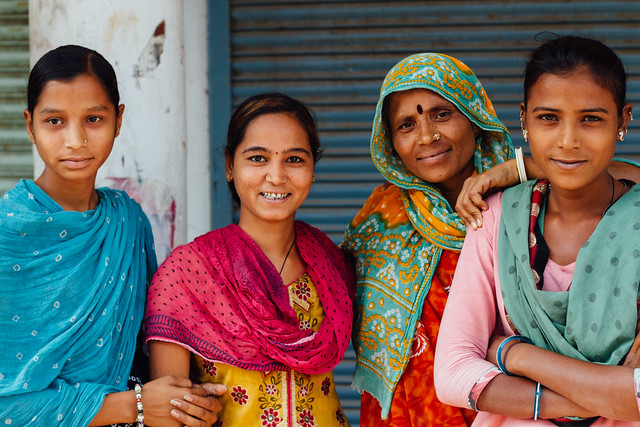
- Marginalized and Underserved Adolescents: Advocate for their right to accessible healthcare and empower them to actively participate in the RKSK program.
- Non-Governmental Organizations (NGOs): Collaborate with NGOs working with marginalized communities to provide legal awareness workshops, ensuring adolescents understand their rights and the benefits of RKSK.
- Legal Experts and Advocates: Seek legal guidance to formulate effective advocacy strategies, including drafting petitions and legal notices.
- Healthcare Authorities: Engage with healthcare authorities responsible for implementing RKSK, urging them to prioritize marginalized and underserved adolescents' participation.
Negotiables/Non-Negotiables:
- Non-Negotiables: Ensuring that every adolescent, regardless of their background, has equal access to comprehensive healthcare services under RKSK.
- Negotiables: Flexibility in implementation strategies to accommodate the specific needs and challenges of marginalized communities.
Advocacy Steps:
Step 1: Raising Awareness
Utilize legal experts and NGOs to conduct workshops and awareness campaigns in marginalized communities. Educate adolescents about their rights to healthcare and inform them about the expanded scope of RKSK, which now covers nutrition, mental health, and more.
Step 2: Petition Drafting
Work with legal experts to draft a petition outlining the right of marginalized and underserved adolescents to access RKSK services without discrimination. Highlight the benefits of their participation for both the individual and the community.
Step 3: Legal Notices
Issue legal notices to relevant authorities, emphasizing the constitutional rights of marginalized adolescents and urging them to take proactive steps to ensure equitable access to RKSK services.
Step 4: Media Advocacy
Collaborate with the media to spotlight the issue, sharing real-life stories of marginalized adolescents who have been excluded from RKSK services. Use this platform to bring public attention to the issue and garner support.
Step 5: Engaging Stakeholders
Meet with healthcare authorities and policymakers to present the petition and legal notices. Emphasize the positive impact of inclusive RKSK implementation and its alignment with broader public health goals.
Step 6: Public Support Mobilization
Encourage public support through social media campaigns, petitions, and community gatherings. Engage celebrities, influencers, and activists to amplify the cause.
Step 7: Litigation if Necessary
If advocacy efforts don't yield the desired results, be prepared to take legal action. File a public interest litigation (PIL) to ensure marginalized adolescents' rights to comprehensive healthcare services under RKSK are upheld.
Positive Impact:
Legal advocacy, when strategically employed, can create a groundswell of support and raise the profile of marginalized and underserved adolescents' rights to healthcare. By highlighting the importance of equitable access to RKSK services and showcasing its potential to positively transform their lives, legal advocacy can influence authorities to take action. The result will be increased participation of marginalized adolescents in RKSK, thereby fostering a more inclusive and impactful public health program.
In conclusion, using legal advocacy to address the limited awareness and engagement of marginalized and underserved adolescents in the RKSK program can spark positive change. By leveraging the power of legal rights, raising awareness, engaging stakeholders, and potentially resorting to litigation, the goal is to ensure that every adolescent in India, regardless of their background, can access the benefits of RKSK and lead healthier lives.