


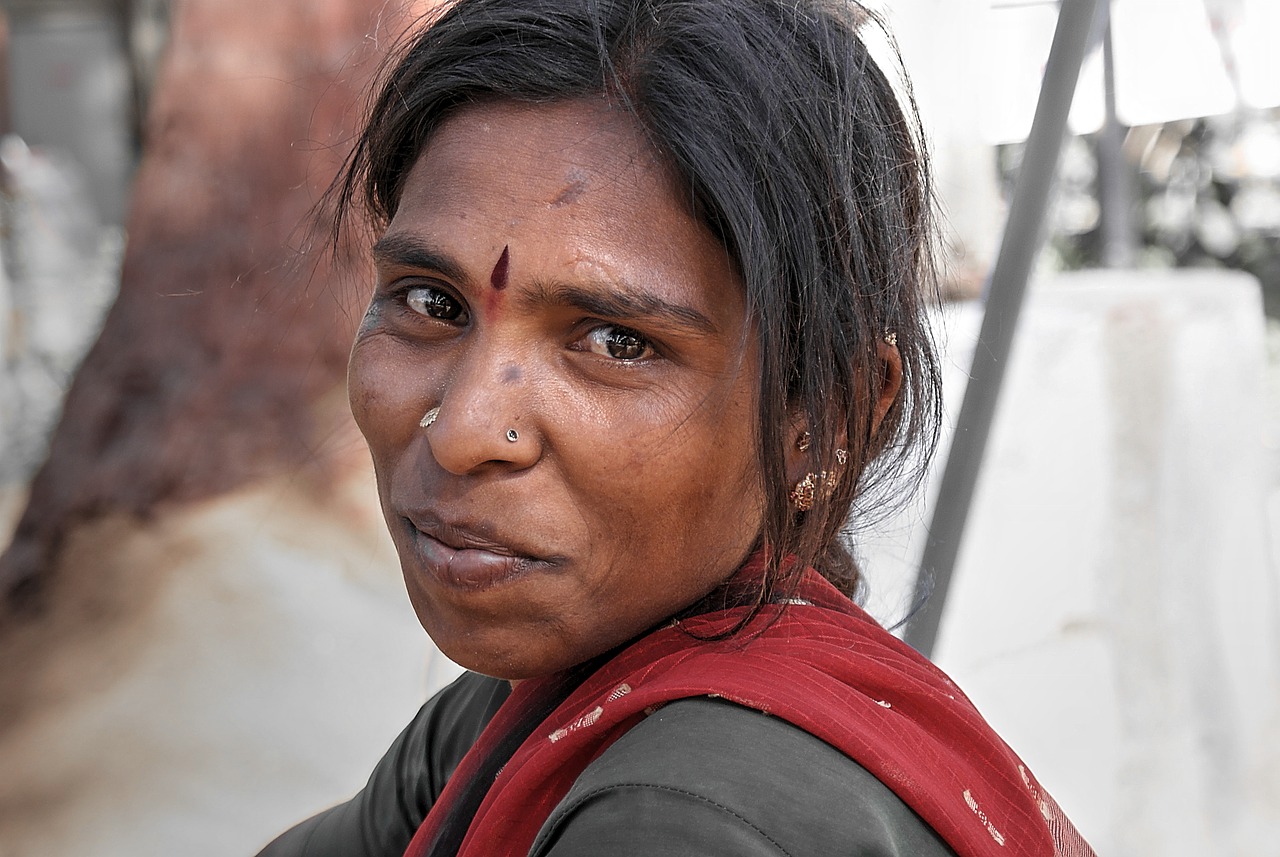
Imagine the lives of Reeta and Sheetal, two girls who became friends in 8th standard. After 15 years, Reeta was financially independent and lived a happy life with her husband and their daughter. They were focused on getting her a quality education. In comparison, Sheetal suffered from asthma and was dealing with financial constraints and a drunk husband. She also had 5 children, who were malnourished and deprived of quality education. Their lives took two drastically different paths in 15 years because of education. Reeta was fortunate to get an education whereas Sheetal was forced to drop out of school to get married.
This is not just the story of Reeta and Sheetal but of many more girls in rural India. In 1929, The Child Marriage Restraint Act was passed to ban child marriage in India. However, the unfortunate reality even in 2024 is that child marriage still prevails in rural India, in villages, in the country-side, and low-income areas.
According to UNICEF, 21% of young women between 20-24 years are getting married before 18 throughout the globe (UNICEF 2018). There has been a substantial decrease in child marriage in South Asia in recent years however, as per recent numbers,1.5 million girls in India are getting married before 18 every year. Further, the UDISE+ 2021-22 data shows that the dropout rate is highest at the secondary level (9-10) with 12.6 percent, followed by upper primary (6-8) with 3 percent and primary (1-5) with 1.5 percent. The data further reveals that the dropout rate is higher for girls than boys at all levels of education in India.
Education is the first step towards empowerment. Education is more than just acquiring knowledge and facts; it also entails learning how to apply that knowledge to real-world situations. A person's ability to get quality education depends on multiple factors, such as their social and economic background, environment, or culture they live in.
Education can transform a shy village girl into an empowered and confident individual who dares to dream. Education has empowered many young girls to come out of the boundaries of the four walls, to accomplish their dreams. Education helps us understand new technology better which in turn, opens the door to better opportunities in the workforce. Moreover, being employed lends to financial stability and independence which is a key factor to live a dignified life. Education also enhances our communication skills and gives us the power to understand other people. It gives us a voice to express our opinions freely. Education encourages us to understand and ask for our rights efficiently. It makes us aware of social issues such as domestic violence, gender based discrimination and myths about girls education. Education teaches us that girls are just as capable as our male counterparts.
When a woman is encouraged to acquire knowledge and quality education instead of being forced to get married and take care of children, the impact is not only on the lives of immediate family members of women, it is intergenerational. An educated woman knows the importance of education. She can bring herself and the family out of the vicious cycle of poverty, illiteracy, and, diseases and educate generations in the family. A financially independent lady understands the importance of education and health and can prioritise the health and education of her children. Her mindful investment in the health, education, and training of her children allows for an intergenerational impact.
There are schemes and policies in place to mitigate problems like child marriage and education deprivation -
- At the central level - The government has taken initiatives such as the Beti Bachao Beti Padhao, launched in 2015, and the Dhanlaxmi Scheme, launched in 2008. The government must introduce more such schemes and ensure their grassroots level implementation.
- Community level/State level - Taking the example of the Odisha Government's strategy of using the “Advika” platform for girls aged 10-19 and maintaining a database along with mandating Aadhaar numbers in marriages works well to combat child marriage. Other states can also take similar initiatives.
- Individual level - Change needs courage. People must raise their voices against child marriage.
- Women consist of half of the population and their education and participation in the work force will contribute to the GDP of our country. Therefore, we must promote education and strictly oppose child marriage.