



Embracing the principles of sexual and reproductive health and rights (SRHR) is not just about personal well-being; it's a transformative step towards a healthier, more equitable India. The significance of SRHR for the individual, the community, and the nation cannot be overstated. As a nation, we are signatories to international agreements emphasizing the importance of SRHR, but the path to its realization is challenging.
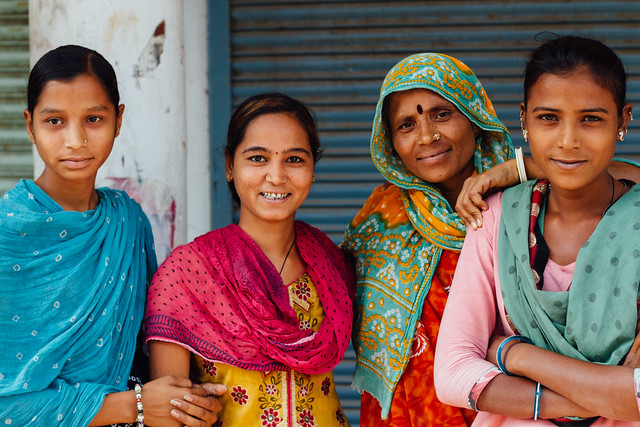
SRHR is not a mere abstract concept within our diverse country – it's a lifeline for countless individuals, particularly underprivileged women in developing regions. Unintended pregnancies, maternal mortality, sexually transmitted infections, and gender-based violence are all stark realities resulting from the lack of access to comprehensive SRHR services. Our commitment to the 2030 Agenda for Sustainable Development compels us to bridge these gaps.
At its core, SRHR encompasses a range of rights related to both sexual and reproductive dimensions. Civil, political, economic, social, and cultural rights form the foundation for a life of dignity, health, and choice. Further, SRHR goes beyond physical health; it extends to emotional, mental, and social well-being. These rights are not exclusive; they extend to everyone, including adolescents, as a critical component of universal health coverage.
In recent times, India's headlines have been marred by horrifying instances of sexual violence. These incidents underscore the pressing need for open and candid discussions on sexual rights and gender equality.
India's reproductive health landscape demands our attention. Startlingly, 78% of annual abortions occur outside medical facilities, leaving women vulnerable. More than 30 million married women lack access to contraception, while adolescent girls face barriers to modern contraceptive methods. Unsafe abortions are rampant, posing grave risks to adolescent girls' health.
The urgency for reform is clear: 52% of adolescent mothers attend the recommended antenatal appointments, while 78% of adolescent abortions are unsafe. Even after unsafe abortions, many adolescents remain untreated.
Realizing my SRHR dream for India necessitates robust and immediate action. Our approach must encompass safe abortion services, ending the cycle of unsafe practices that claim lives daily.
Prioritizing adolescents' access to modern contraception is pivotal. Equally crucial is integrating gender-based violence concerns into our public health agenda. Our focus should be on universal access to comprehensive SRHR services and empowering individuals to exercise their rights freely.
My aspiration is to envision an India where every individual's SRHR is respected and upheld. Access to safe abortion and contraception should be a norm, gender-based violence must be eradicated, and accurate sexual and reproductive health education must be accessible to all. This journey will culminate in a stronger, healthier, and more prosperous India, fostering well-being and progress for generations to come.