


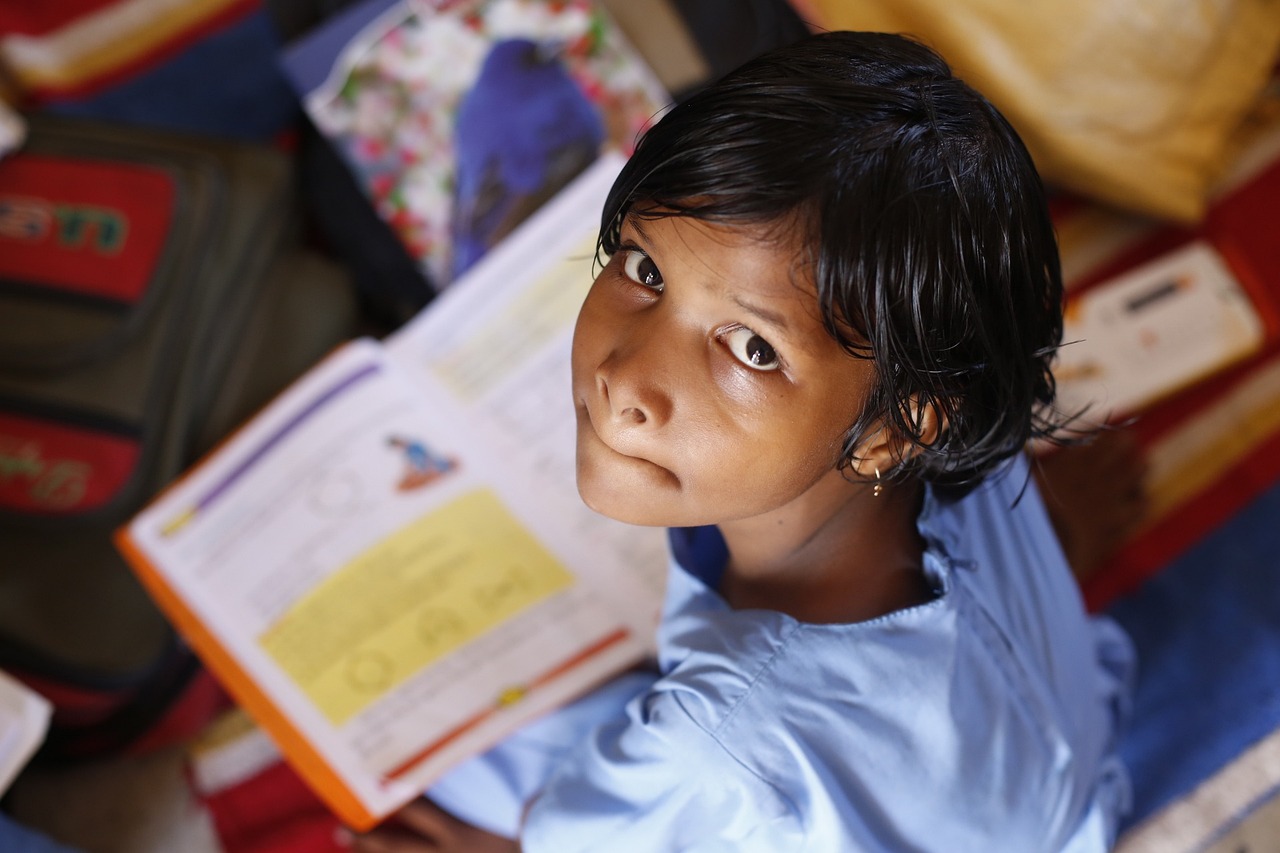
Imagine a girl who has just passed the matriculation examination and decides not to continue her studies any further. Getting married is her priority but her career does not exist on this priority list. On the other hand, imagine a boy who dreams of a bright future. However, he has a tough time pursuing his dreams since many hindrances come his way and he easily gets distracted and involved in destructive habits, ruining his quality of life.
The above situations are not about a particular boy or a girl but about many of them. They are examples taken from Jagannathpur, one of the biggest slums of Jharkhand, where 90% of the youth are engaged in activities such as substance abuse, academic failure, violent crimes, unsafe sex, early pregnancy, and early marriage. This scenario also resembles the condition of youth in other regions. Two causes majorly trigger other critical issues among youth - the inadequacy of quality education and a paucity of information about Sexual and Reproductive Health (SRH).
Lack of access to necessary knowledge and information negatively impacts and forces youth away from the light of learning. An example is the data that shows 23 million girls drop out of school annually due to a lack of menstrual education and proper menstrual hygiene management facilities.
Lack of access to quality education is one of the major barriers to getting information about sexual reproductive health. At the age that they should be seeking education from schools or institutions, 23% of girls aged 20-24 were married before the age of 18. And 9% of girls aged 15-19 get pregnant yearly. During adolescence, not having access to quality education affects young people's decision-making abilities. They get distracted easily and establish physical relationships with less information. This makes them face tough consequences such as early pregnancy, which leads them to decide to drop out of school and elope due to societal and cultural norms. A young person with low education and skill thus gets into a pressurized situation to survive and take care of the partner as well as their child. This further leads to various mental health issues such as depression, frustration, and anxiety. This causes them to make more destructive decisions such as substance abuse, domestic violence, etc, and these even lead to suicidal attempts. This becomes a vicious cycle which is transferred from generation to generation.
Thus, it is evident that we need to do better for our youth. Their current destructive cycle starts from inadequate education, which hinders knowledge about sexual reproductive health and further affects mental well-being. This also shows the interconnection of these, which are the factors of Quality of life which gets hampered, It is important to ensure the quality of life of youth. Youth is a period of transition, one discovers themselves, their interest, and their relationship to the world around them. It is a phase when young people are overwhelmed with immense energy, ideas, creativity, are goal-oriented and have a great potential to generate positive social changes in society. Thus, the energy of young people should be channeled in the right direction for the right purpose for which several constructive steps can be taken at various levels -
- Self Level: Continuously educate oneself about various subjects including sexual reproductive health through books, online, and workshops. One should not hesitate to seek help from others.
- Societal Level Support and assist children and young adults in accessing educational resources and opportunities. Foster an environment of open communication within families and communities about sexual reproductive health, promoting awareness and understanding.
- Governmental Level: Ensuring access to quality education for every child. Develop and enforce comprehensive sexuality education programs in schools and communities.
By addressing these issues at multiple levels, we can create a more informed, healthy, and educated society where youth will be stepping on a constructive path by taking informed decisions. It is essential to involve all stakeholders, including the government, non-governmental organizations, and local communities, in the implementation and monitoring of these initiatives to ensure their success and sustainability.